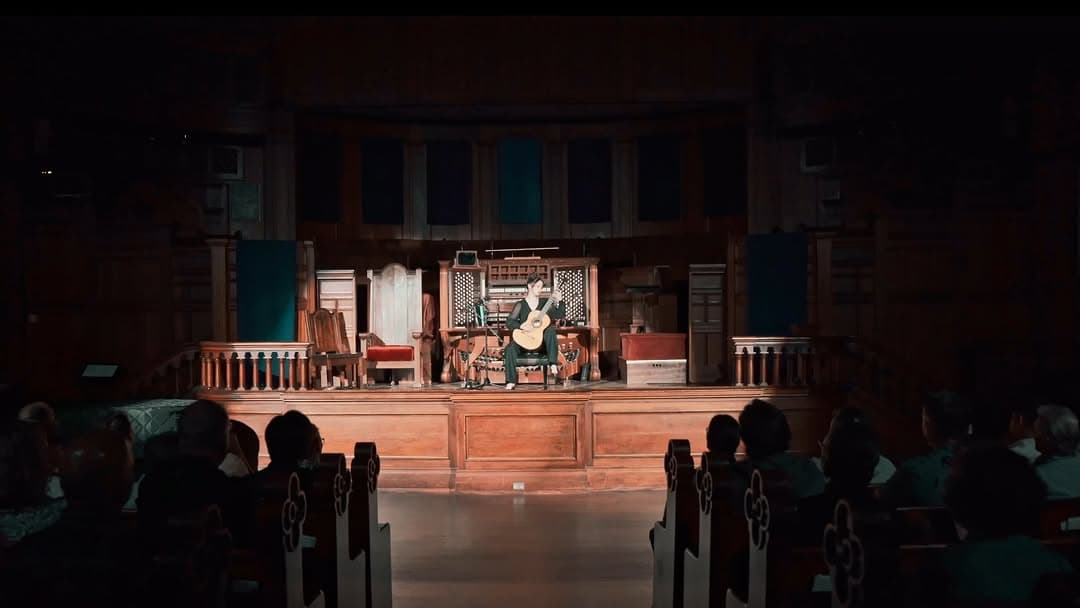
Fanful case study
Laurel Harned is the proof system, not a placeholder.
Fanful grew out of a working classical-guitar site with real listener paths, creator admin needs, and a public roadmap. This case study explains what is already useful, what is reusable, and what should stay honestly scoped.
Creator problem
One artist relationship was already spread across too many jobs.
A musician does not only need a homepage. Laurel's site needed listening, tour dates, lessons, support, media, fan accounts, email, live moments, and admin workflows to stay connected around the same listener relationship.
Public artist home
Laurel has a production listener site with recordings, dates, media, support, lessons, account prompts, install metadata, and a persistent player path.
Creator operations
Fanful reuses the same app foundation for admin workflows: media uploads, email, live rooms, shop, lesson policy, leads, analytics, roadmap, and work-log evidence.
Fan relationship modules
The stack connects first-party accounts, community chat, notifications, memberships, checkout, lessons, and live-room state instead of treating each fan action as a separate tool.
Agent-readable proof
Roadmap, work-log, user journeys, markdown mirrors, MCP manifests, and action contracts make the product inspectable by agents as well as humans.
Measured proof
What this proves today.
- Laurel's production site is the running proof system for Fanful's musician-first story.
- Fanful web pages now expose crawlable marketing, comparison, pricing, domain, campaign, work-log, and user-journey surfaces.
- Admin and API evidence is linked through GitHub issues, PRs, D1 work-log entries, and journey tests rather than only marketing copy.
- The first paid-ad paths can attribute creator interest through UTM capture and focused campaign offers.
Current gaps
What this should not overclaim.
- Fanful is not yet a mature self-serve label operating system; org roles, full payouts, bulk imports, and multi-artist administration remain scoped work.
- Streaming distribution, rights administration, deep retail fulfillment, and broad marketplace discovery still belong in specialist tools.
- Some cross-platform native parity proof still depends on device availability and production push testing.
- The Laurel case study is proof of an actively shipped product, not proof that every future creator category is complete.
Implementation pattern
How Fanful turns Laurel work into platform work.
- 1
Start with one creator whose real site needs the feature.
- 2
Turn the repeatable part into a platform module only after it is useful in production.
- 3
Keep public promises tied to issue-backed evidence, not aspirational screenshots.
- 4
Preserve the creator brand while making the shared Fanful platform understandable.
Use this proof carefully
Best next use: musician paid traffic and migration conversations.
Laurel gives Fanful a credible first proof point for artists who need a real fan home. The stronger claim is not that every category is finished; it is that the platform is grounded in production work instead of a blank template.